
Peruvian pepper tree
Schinus molle
- Layer 2 · Understorey
- Attracts pollinators
Status by region
No restrictions recorded in the lists we checked.
Checked against the European Union list (Regulation 1143/2014) · Portugal's national invasive species list (Decreto-Lei 92/2019).
Information based on the cited sources, not legal advice — always confirm your local rules.
About
Native to the Andean region of South America, Schinus molle is a medium-sized, fast-growing evergreen tree, recognisable by its broad canopy of weeping branches and high drought tolerance. In a food forest, it serves as an excellent pioneer species and windbreak, stabilising the soil and creating protective microclimates for more sensitive crops. Its aromatic, pinkish fruits are harvested as the well-known pink peppercorn, offering a sustainable seasoning resource while attracting pollinators to the ecosystem.
It is harvested now — September is one of the harvest months.
See which trees Peruvian pepper tree grows well with
These trees share this species' soil and climate — the pairing is inferred from conditions, not from a guild we have already seen.
No account needed.
Needs
- Water: Low
- Light: Full sun
- Size: Evergreen tree up to 10 m
- Mature diameter: 6 m
- Soils: Sandy, Loam, Limestone
- Climates: Hot, dry Mediterranean
Calendar
- January
- February — Planting
- March — Planting
- April — Planting
- May
- June
- July
- August — Harvest
- September — Harvest
- October — Harvest — Planting
- November — Harvest — Planting
- December
- Harvest
- Planting
Medicinal use: The small pinkish fruits are used in cooking as pink peppercorns, and its leaves and bark have traditional uses due to antiseptic and healing properties.
Where to buy
Central trees worth considering
May work well together — same soil and climate, complementary layers. We have not seen this combination in a generated guild yet.
May grow well with
Suggestions worked out from growing conditions — same soil and climate, complementary layers and functions. These are not observed guilds; treat them as a starting point to try on your own land.
 TaroColocasia esculentasame climate · same soil · different layers · complementary functions
 NavelwortUmbilicus rupestrissame climate · same soil · different layers · complementary functions
 Bottle gourdLagenaria sicerariasame climate · same soil · different layers · complementary functions
 GingerZingiber officinalesame climate · same soil · different layers · complementary functions
 CeleriacApium graveolens var. rapaceumsame climate · same soil · different layers · complementary functions
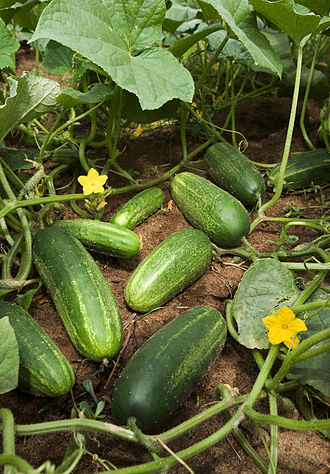 CucumberCucumis sativussame climate · same soil · different layers · complementary functions
 TurmericCurcuma longasame climate · same soil · different layers · complementary functions
 Intermediate periwinkleVinca difformissame climate · same soil · different layers · complementary functions
Related plants
Other species in the same layer or with the same function.


It is harvested now — September is one of the harvest months.
See which trees Peruvian pepper tree grows well with
These trees share this species' soil and climate — the pairing is inferred from conditions, not from a guild we have already seen.
No account needed.
Not ready to map your land yet?
Get the free mini-guide to starting an edible forest.