
Medlar
Mespilus germanica
- Layer 2 · Understorey
- Edible companion
Status by region
No restrictions recorded in the lists we checked.
Checked against the European Union list (Regulation 1143/2014) · Portugal's national invasive species list (Decreto-Lei 92/2019).
Information based on the cited sources, not legal advice — always confirm your local rules.
About
Native to south-west Asia and south-east Europe, it is a hardy, slow-growing deciduous fruit tree. It produces fruit that becomes edible only after frost or post-harvest ripening.
See which trees medlar grows well with
We have no trees recorded with this species yet. Start from the tree on your land.
No account needed.
Needs
- Water: Medium
- Light: Full sun
- Size: Small tree up to 5 m
- Mature diameter: 4 m
- Soils: Clay, Loam, Limestone
- Climates: Atlantic coast, Inland / Continental, Hot, dry Mediterranean, Mountain / cold
Calendar
- January — Planting
- February — Planting
- March — Planting
- April
- May
- June
- July
- August
- September
- October — Harvest
- November — Harvest — Planting
- December — Harvest — Planting
- Harvest
- Planting
Medicinal use: The fruits after bletting are edible and astringent, useful in relieving intestinal disorders.
Where to buy
May grow well with
Suggestions worked out from growing conditions — same soil and climate, complementary layers and functions. These are not observed guilds; treat them as a starting point to try on your own land.
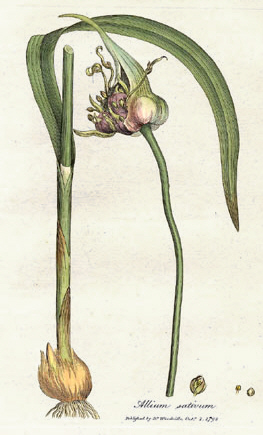 GarlicAllium sativumsame climate · same soil · different layers · complementary functions · same exposure · same water needs
 Hyacinth beanLablab purpureussame climate · same soil · different layers · complementary functions · same exposure · same water needs
 White cloverTrifolium repenssame climate · same soil · different layers · complementary functions · same exposure · same water needs
 DaisyBellis perennissame climate · same soil · different layers · complementary functions · same exposure · same water needs
 HorseradishArmoracia rusticanasame climate · same soil · different layers · complementary functions · same exposure · same water needs
 Strawberry cloverTrifolium fragiferumsame climate · same soil · different layers · complementary functions · same exposure · same water needs
 PrimrosePrimula vulgarissame climate · same soil · different layers · complementary functions · same water needs
 LemongrassCymbopogon citratussame climate · same soil · different layers · complementary functions · same exposure · same water needs
Related plants
Other species in the same layer or with the same function.


See which trees medlar grows well with
We have no trees recorded with this species yet. Start from the tree on your land.
No account needed.
Not ready to map your land yet?
Get the free mini-guide to starting an edible forest.