
Daisy
Bellis perennis
- Layer 5 · Ground cover
- Ground cover
Status by region
No restrictions recorded in the lists we checked.
Checked against the European Union list (Regulation 1143/2014) · Portugal's national invasive species list (Decreto-Lei 92/2019).
Information based on the cited sources, not legal advice — always confirm your local rules.
About
Native to Europe, it is a small herbaceous perennial abundant in meadows and lawns. It acts as live ground cover and provides early pollen for beneficial insects.
It can be planted now — September is one of the best months.
See which trees daisy grows well with
These trees share this species' soil and climate — the pairing is inferred from conditions, not from a guild we have already seen.
No account needed.
Needs
- Water: Medium
- Light: Full sun
- Size: Rosette-forming herb up to 15 cm
- Mature diameter: 0.2 m
- Soils: Clay, Loam, Sandy
- Climates: Atlantic coast, Inland / Continental, Hot, dry Mediterranean, Mountain / cold
Calendar
- January
- February
- March — Harvest — Planting
- April — Harvest — Planting
- May — Harvest
- June — Harvest
- July — Harvest
- August — Harvest
- September — Harvest — Planting
- October — Harvest — Planting
- November
- December
- Harvest
- Planting
Medicinal use: The leaves and flowers are edible in salads and traditionally used in cough syrups.
Where to buy
Central trees worth considering
May work well together — same soil and climate, complementary layers. We have not seen this combination in a generated guild yet.
May grow well with
Suggestions worked out from growing conditions — same soil and climate, complementary layers and functions. These are not observed guilds; treat them as a starting point to try on your own land.
 Pineapple guavaAcca sellowianasame climate · same soil · different layers · complementary functions · same exposure · same water needs
 CherimoyaAnnona cherimolasame climate · same soil · different layers · complementary functions · same exposure · same water needs
 MedlarMespilus germanicasame climate · same soil · different layers · complementary functions · same exposure · same water needs
 White mulberryMorus albasame climate · same soil · different layers · complementary functions · same exposure · same water needs
 Black mulberryMorus nigrasame climate · same soil · different layers · complementary functions · same exposure · same water needs
 Sour cherryPrunus cerasussame climate · same soil · different layers · complementary functions · same exposure · same water needs
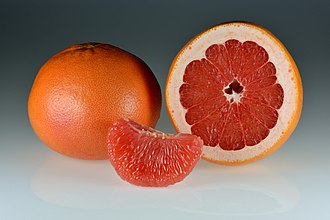 GrapefruitCitrus paradisisame climate · same soil · different layers · complementary functions · same exposure · same water needs
 Bitter orangeCitrus x aurantiumsame climate · same soil · different layers · complementary functions · same exposure · same water needs
Related plants
Other species in the same layer or with the same function.


It can be planted now — September is one of the best months.
See which trees daisy grows well with
These trees share this species' soil and climate — the pairing is inferred from conditions, not from a guild we have already seen.
No account needed.
Not ready to map your land yet?
Get the free mini-guide to starting an edible forest.