
Curry plant
Helichrysum italicum
- Layer 4 · Herbaceous
- Attracts pollinators
Status by region
No restrictions recorded in the lists we checked.
Checked against the European Union list (Regulation 1143/2014) · Portugal's national invasive species list (Decreto-Lei 92/2019).
Information based on the cited sources, not legal advice — always confirm your local rules.
About
Native to the Mediterranean basin, the curry plant is a perennial subshrub characterised by its silvery foliage and highly aromatic yellow flowering. In a food forest, it thrives in poor, dry soils, where its potent essential oils help to confuse and repel pests in border areas.
See which trees curry plant grows well with
Pick the central tree on your land and see the full guild.
No account needed.
Needs
- Water: Low
- Light: Full sun
- Size: Subshrub up to 0.6 m
- Mature diameter: 0.6 m
- Soils: Loam, Sandy, Limestone
- Climates: Atlantic coast, Inland / Continental, Hot, dry Mediterranean
Calendar
- January
- February
- March — Planting
- April — Planting
- May
- June — Harvest
- July — Harvest
- August — Harvest
- September
- October — Planting
- November — Planting
- December
- Harvest
- Planting
Medicinal use: Its essential oil and teas have a strong anti-inflammatory action for respiratory and dermatological conditions.
Where to buy
Grows well with
Central trees this plant has already been paired with.
Central trees worth considering
May work well together — same soil and climate, complementary layers. We have not seen this combination in a generated guild yet.
May grow well with
Suggestions worked out from growing conditions — same soil and climate, complementary layers and functions. These are not observed guilds; treat them as a starting point to try on your own land.
 Creeping thymeThymus serpyllumseen in a generated guild
 Wild leekAllium ampeloprasumseen in a generated guild
 Sea green coronillaCoronilla glaucaseen in a generated guild
 YarrowAchillea millefoliumseen in a generated guild
 AlmondPrunus dulcisseen in a generated guild
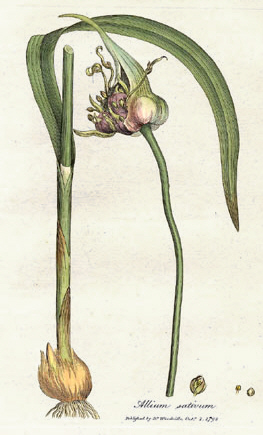 GarlicAllium sativumseen in a generated guild
 Common mallowMalva sylvestrisseen in a generated guild
 Fig treeFicus caricaseen in a generated guild
Related plants
Other species in the same layer or with the same function.


See which trees curry plant grows well with
Pick the central tree on your land and see the full guild.
No account needed.
Not ready to map your land yet?
Get the free mini-guide to starting an edible forest.