
Almond
Prunus dulcis
- Layer 2 · Understorey
- Edible companion
Status by region
No restrictions recorded in the lists we checked.
Checked against the European Union list (Regulation 1143/2014) · Portugal's national invasive species list (Decreto-Lei 92/2019).
Information based on the cited sources, not legal advice — always confirm your local rules.
About
Native to the Middle East, the almond tree is a deciduous tree adapted to dry climates. It is prized for its early spring blossom and edible seeds of high nutritional value.
It is harvested now — September is one of the harvest months.
See the guild for an almond on your land
Tell us where your land is and we'll show the companion plants that grow well with this tree.
No account needed.
Needs
- Water: Low
- Light: Full sun
- Size: Tree up to 8 m
- Mature diameter: 5 m
- Soils: Loam, Sandy, Limestone
- Climates: Inland / Continental, Hot, dry Mediterranean
Calendar
- January — Planting
- February — Planting
- March
- April
- May
- June
- July
- August — Harvest
- September — Harvest
- October
- November — Planting
- December — Planting
- Harvest
- Planting
Medicinal use: Almonds are a rich source of healthy fats and are used in food and body oils.
Where to buy
May grow well with
Suggestions worked out from growing conditions — same soil and climate, complementary layers and functions. These are not observed guilds; treat them as a starting point to try on your own land.
 Curry plantHelichrysum italicumseen in a generated guild
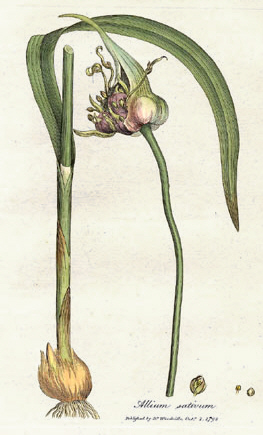 GarlicAllium sativumseen in a generated guild
 Creeping thymeThymus serpyllumseen in a generated guild
 Moon trefoilMedicago arboreaseen in a generated guild
 Wild leekAllium ampeloprasumseen in a generated guild
 Common mallowMalva sylvestrisseen in a generated guild
 YarrowAchillea millefoliumseen in a generated guild
 White Spanish broomCytisus multiflorusseen in a generated guild
Related plants
Other species in the same layer or with the same function.


It is harvested now — September is one of the harvest months.
See the guild for an almond on your land
Tell us where your land is and we'll show the companion plants that grow well with this tree.
No account needed.
Not ready to map your land yet?
Get the free mini-guide to starting an edible forest.